- Dr. Himanshu Gupta
- August 11, 2025
- orthopaedic
- 0 Comments
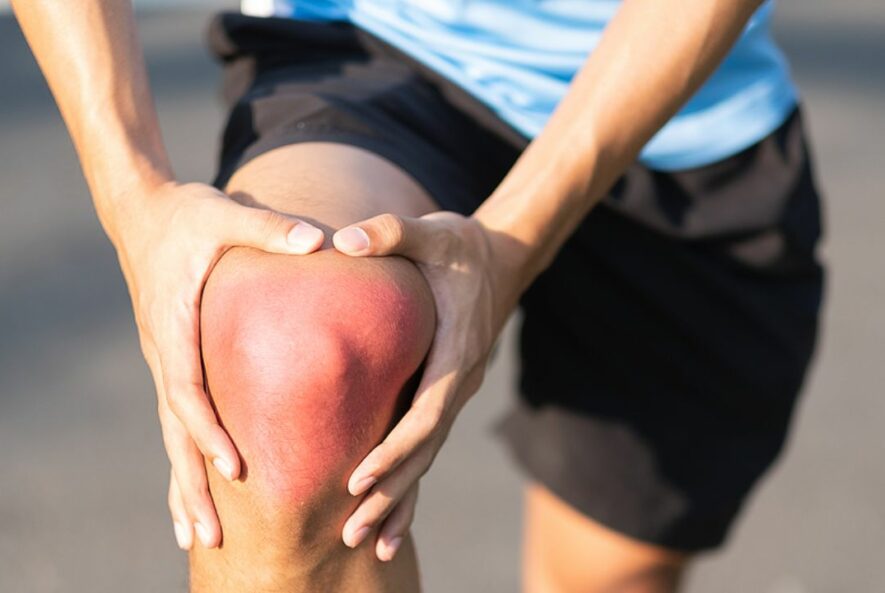
Table of Contents
ToggleAre you experiencing swelling after ACL surgery?
Or are you preparing for your ACL reconstruction and want to know what to expect?
You’re in the right place!
In this comprehensive guide, we’ll walk you through why swelling happens after ACL surgery, how to manage it effectively, and what the overall recovery journey looks like. Whether you’re an athlete or someone who simply wants to get back to pain-free daily movement, understanding the process will help you recover faster and better.
Understanding ACL Injuries
In the world of sports and active lifestyles, Anterior Cruciate Ligament (ACL) injuries are unfortunately common. The ACL is one of the key ligaments that helps stabilize your knee joint.
A sudden twist, awkward landing, or direct impact can cause a partial or complete tear in this ligament. It’s not just professional athletes who face this—recreational runners, dancers, and even those with physically demanding jobs are at risk.
While mild ligament strains can heal with rest and physiotherapy, a completely torn ACL usually does not heal on its own. In such cases, ACL reconstruction surgery becomes the recommended treatment.
What is ACL surgery?
ACL reconstruction surgery is a minimally invasive orthopedic procedure that replaces the damaged ligament with a graft. This graft can come from:
- Autograft: Taken from the patient’s own body (usually patellar tendon, hamstring, or quadriceps tendon)
- Allograft: Taken from a donor (often used for older or less active patients)
The surgery is typically performed arthroscopically—using small incisions, a camera, and specialized instruments. This approach minimizes tissue damage, reduces recovery time, and lowers the risk of complications.
Why is ACL surgery necessary?
A torn ACL can lead to persistent instability in the knee. Without proper treatment, this instability increases the risk of:
- Meniscus tears
- Cartilage damage
- Early-onset osteoarthritis
ACL surgery is often recommended for:
- Professional and recreational athletes
- Active individuals with unstable knees
- People with physically demanding jobs
- Patients with multiple knee injuries (e.g., ACL + meniscus)
Why Does Swelling Happen After ACL Surgery?
Swelling after ACL surgery is completely normal and part of the body’s natural healing process. It typically peaks during the first week post-surgery and gradually reduces over the following weeks.
Here are the main causes:
Tissue Trauma:
During surgery, drilling and graft placement cause controlled trauma to the knee tissues, triggering inflammation.Fluid Buildup:
The body sends extra fluids to the surgical site as part of the healing process.Limited Movement:
Reduced mobility in the early stages of recovery can slow down fluid drainage, making swelling last longer.
Recovery Timeline After ACL Surgery
Recovery duration depends on factors like age, physical fitness, injury severity, and dedication to physiotherapy. Here’s a general timeline:
Week 1–2: Immediate Post-Op Phase
- Rest, Ice, Compression, Elevation (RICE)
- Use of crutches
- Pain and swelling management
- Gentle passive range-of-motion exercises
Week 3–6: Early Rehab Phase
- Gradual weight-bearing
- Improving knee extension and flexion
- Introduction of light strengthening exercises
Month 2–3: Controlled Mobility Phase
- Stationary biking, swimming, and light physical activity
- Strength and balance training
Month 4–6: Advanced Training Phase
- Sport-specific drills
- Agility and endurance exercises
- Building muscle strength and flexibility
Month 6–9: Return to Sport
- Functional movement tests
- Gradual return to competitive sports
- Clearance from your orthopedic surgeon and physiotherapist
Is Swelling After ACL Surgery Normal?
Yes, swelling is an expected part of recovery.
It’s usually not a cause for concern unless:
- It increases instead of decreasing after the first few weeks
- It’s accompanied by redness, warmth, or fever (possible infection)
- You experience sharp, worsening pain
If any of these occur, consult your orthopedic doctor immediately.
Tips to Reduce Swelling After ACL Surgery
Managing swelling effectively helps speed up recovery and reduces discomfort. Here are proven tips:
- Ice Therapy: Apply ice packs for 15–20 minutes, 4–5 times a day
- Leg Elevation: Keep your knee above heart level while resting
- Compression: Use elastic bandages or a knee brace as advised
- Anti-inflammatory Medications: Only as prescribed by your doctor
- Physiotherapy: Controlled movement improves circulation and reduces stiffness
- Stay Hydrated: Proper hydration supports healing
The Role of Physiotherapy in Recovery
Physiotherapy is crucial for regaining full knee function. A structured rehab plan will:
- Restore range of motion
- Strengthen surrounding muscles
- Improve knee stability
- Reduce the risk of future injuries
Skipping physiotherapy or returning to sports too soon can lead to re-injury or incomplete recovery. Always follow your physiotherapist’s guidance and progress gradually.
Mental and Emotional Recovery
Recovering from ACL surgery isn’t just about the body—your mindset plays a huge role. Many patients experience frustration or impatience during the healing period.
Here are a few tips to stay motivated:
- Set small, achievable goals for each stage of recovery
- Track your progress—celebrate milestones like walking without crutches
- Stay connected with supportive friends, family, or recovery groups
- Visualize your return to sports or daily activities
When to Contact Your Doctor
While some swelling is normal, you should seek medical advice if you notice:
- Sudden increase in swelling after initial improvement
- Fever or chills
- Severe, persistent pain
- Yellow or green discharge from incision sites
Prompt medical attention can prevent complications and ensure safe healing.
Final Thoughts
ACL surgery has an excellent success rate, allowing most patients to return to their pre-injury activity levels — whether that’s running on the field, dancing, or simply enjoying pain-free movement.
Swelling is a natural part of recovery and, with the right care, will gradually subside. By following your doctor’s instructions, staying consistent with physiotherapy, and keeping a positive mindset, you can achieve a strong, stable knee.
If you’re considering ACL surgery or facing challenges in your recovery, consult an experienced orthopedic specialist for personalized guidance.
At Amicare Hospital, we specialize in advanced orthopedic surgeries, including ACL reconstruction. Our expert surgeons, physiotherapists, and state-of-the-art facilities ensure that every patient receives world-class care—from diagnosis to complete recovery. Whether you’re an athlete or someone simply looking to regain full knee function, we’re here to help you get back to the life you love.
📞 Book your consultation today and take the first step towards a stronger, healthier knee.