- Dr. Himanshu Gupta
- September 5, 2025
- orthopaedic
- 0 Comments
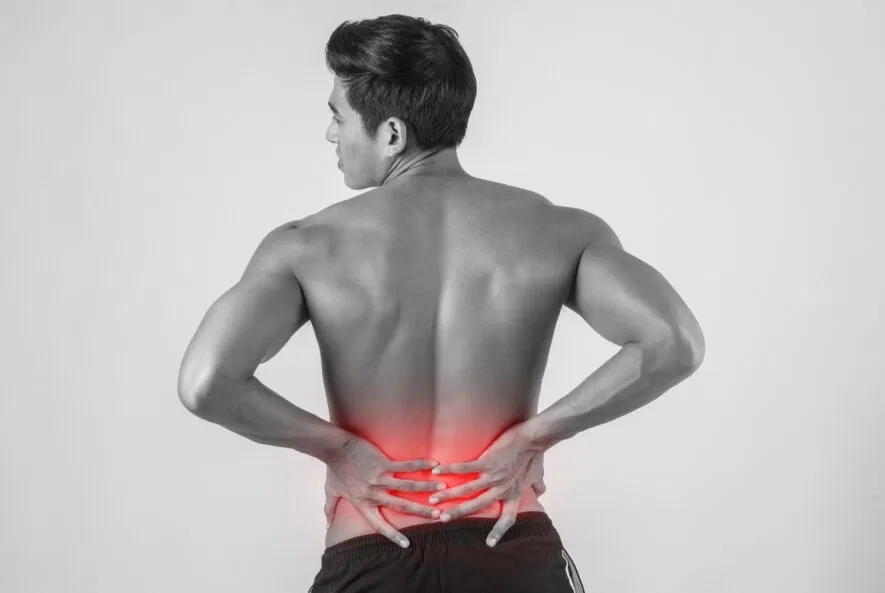
Sciatica pain right side or left side can be a frustrating and often alarming experience. Many people feel sharp, shooting pain traveling from the lower back down one leg — sometimes on the right, sometimes on the left, and in rare cases, both sides at once. But why does this happen? And more importantly, how can it be treated? This guide explains what sciatica pain is, why it occurs on one or both sides, the symptoms to look for, and the best treatment options for lasting relief.
Table of Contents
ToggleWhat Is Sciatica Pain?
Sciatica pain refers to irritation or compression of the sciatic nerve, the largest nerve in the body.
This nerve starts in the lower spine, passes through the hips and buttocks, and runs down both legs.
Unlike regular back pain, sciatica pain symptoms include radiating discomfort that spreads from the back into the leg. It can feel like:
- Sharp shooting pain
- Burning or tingling sensations
- Numbness or weakness in the leg or foot
While many patients search for “what is sciatica pain,” the answer is simple: it’s not a disease but a symptom of an underlying issue, often linked to a slip disc, herniated disc, or spinal nerve compression.
Why Does Sciatica Pain Affect the Right Side, Left Side, or Both?
One of the most common patient questions is: “Why do I have sciatica pain on the right side but not the left?” or vice versa. The reason lies in the way the spinal discs and nerves are compressed.
- Right Side Sciatica Pain: When the slipped disc presses on nerves leading to the right leg, symptoms appear only on the right side.
- Left Side Sciatica Pain: If the compression occurs on the left, patients feel left side sciatica pain.
- Both Sides: Rarely, when the spinal canal is narrowed at multiple levels or compression affects central nerves, sciatica pain areas may extend to both sides.
This explains why doctors always check MRI scans to determine which nerve root is compressed and at what level.
What Causes Sciatica Pain?
Understanding the causes of sciatica pain helps in planning treatment. Common reasons
include:
- Slip Disc / Herniated Disc: The most common cause where a bulging disc presses on the sciatic nerve.
- Spinal Stenosis: Narrowing of the spinal canal that compresses nerves.
- Bone Spurs / Arthritis: Overgrowth of bone irritating nearby nerves.
- Muscle Strain: Tight muscles, especially in the lower back, may aggravate the nerve.
- Lifestyle Factors: Poor posture, obesity, and lack of exercise increase the risk.
So if you’re wondering why sciatica pain occurs, it is usually due to mechanical pressure on the nerve from disc or bone changes.
Sciatica Pain Treatment Options
Treatment depends on severity and duration. Most patients don’t require surgery and recover with conservative care.
Non-Surgical Treatments
- Rest & Physiotherapy: Gentle movement and posture correction speed up recovery.
- Exercises for Sciatica Pain: Stretching and strengthening exercises improve flexibility and reduce nerve compression.
- Best Medicine for Sciatica Pain: Pain relievers, muscle relaxants, and anti-inflammatory drugs.
- Sciatica Pain Relief Massage: Helps improve circulation and ease muscle stiffness.
- Sciatica Pain Relief Belt: Supports the lower back and reduces strain during activity.
Surgical Treatment
Surgery is considered only when sciatica pain treatment fails after several weeks, or when symptoms include severe weakness, loss of bladder control, or pain in both legs. Procedures like discectomy or minimally invasive spine surgery can provide lasting relief.
Exercises and Home Remedies for Sciatica Pain
Relief
Many patients search for how to relieve sciatica pain at home, and the good news is that several safe and effective remedies can ease discomfort and promote healing.
Gentle stretching and yoga: Specific exercises for sciatica pain, like hamstring stretches, knee-to-chest stretches, and yoga poses, help release pressure on the sciatic nerve.
Heat and cold therapy: Alternating between ice packs and warm compresses reduces inflammation and relaxes tight muscles. This is a common first step in sciatica pain treatment at home.
Walking or swimming: Low-impact activities like walking or swimming strengthen the back and leg muscles without putting pressure on the spine.
Posture correction and supportive chairs: Sitting for long hours worsens sciatica back pain. Using ergonomic chairs and avoiding prolonged sitting can prevent nerve compression and provide day-to-day comfort.
These sciatica pain home remedies work best when combined with a consistent exercise routine and lifestyle changes. They not only reduce pain but also prevent future flare-ups of right-side sciatica pain or left-side sciatica pain.
When to See a Doctor for Sciatica Pain
In many cases, sciatica pain right side or left side improves with rest, exercises, and simple home remedies. However, not all sciatica pain areas heal on their own. It’s important to know when to seek medical help.
You should consult a spine specialist if:
Pain lasts more than 6 weeks: Persistent sciatica back pain that doesn’t improve with home care may indicate a herniated disc or severe nerve compression.
Weakness in legs or feet: If you notice your leg giving way, foot drop, or reduced strength, it may be a sign of worsening sciatica pain symptoms that require urgent treatment.
Sciatica pain on both sides: While right or left side sciatica is common, pain on both sides suggests more serious conditions like central disc herniation or spinal stenosis.
Loss of bladder or bowel control: This is a medical emergency linked to severe nerve compression and needs immediate intervention.
Seeking timely sciatica pain treatment ensures the right diagnosis, prevents long-term nerve damage, and gives you the best chance of a full recovery without complications.
Final Thoughts
Sciatica pain right side or left side is a common but treatable condition. Knowing the causes, symptoms, and treatment options can help you take the right steps early. Whether it’s through physiotherapy, medication, or lifestyle changes, most people recover without surgery. If you’re struggling with chronic back pain, right side sciatica pain, or left side sciatica pain, consult a spine specialist for an accurate diagnosis and a personalized recovery plan.
What is the best medicine for sciatica pain?
Doctors may prescribe anti-inflammatory drugs, muscle relaxants, or nerve pain medicine depending on the severity
Can exercises cure sciatica pain?
Exercises for sciatica pain improve flexibility and strengthen muscles, which helps in long-term
relief, but consistency is key.
Why does sciatica pain occur more on one side?
It depends on which spinal nerve root is compressed by a slip disc or a herniated disc.
How long does sciatica pain take to cure?
Mild cases improve within weeks, but severe sciatica pain right side or left side may take months with physiotherapy.
Is sciatica pain curable permanently?
Yes, with proper treatment, exercise, and lifestyle management, most patients recover fully.