- Dr. Himanshu Gupta
- February 20, 2026
- orthopaedic
- 0 Comments
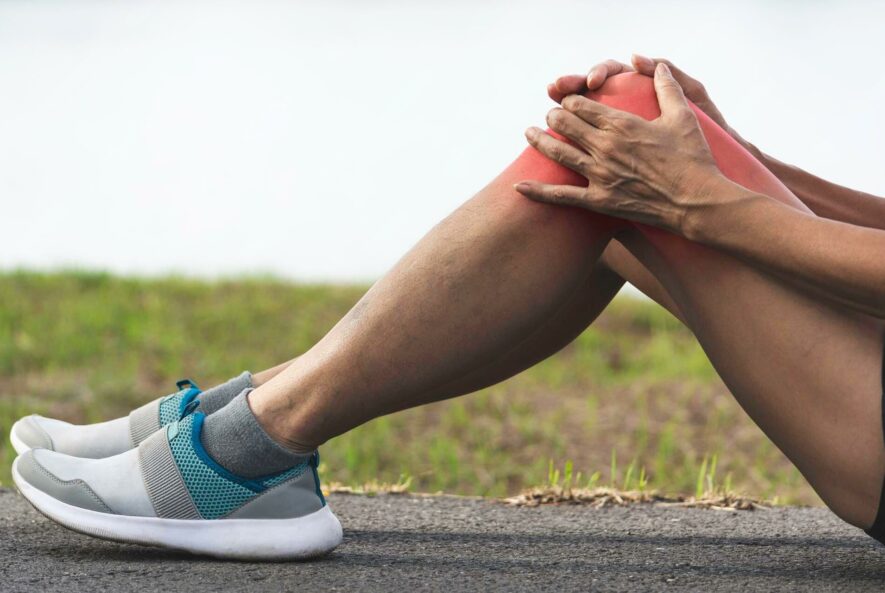
A partial ACL tear is a knee ligament injury where the anterior cruciate ligament is damaged but not completely ruptured. Unlike a full ACL tear, some ligament fibers remain intact, which may allow partial knee stability. However, ignoring this condition can lead to worsening instability and long-term joint damage.
Many people search for partial ACL tear symptoms, whether a partial ACL tear can heal without surgery, or the best treatment options for recovery. Understanding the causes, diagnosis, treatment methods, and rehabilitation strategies helps patients make informed decisions about protecting their knee health.
This detailed guide explains everything about partial ACL tear, including symptoms, causes, diagnosis, treatment options, recovery timeline, cost considerations, and when ACL Surgery becomes necessary for restoring knee stability.
Table of Contents
ToggleWhat Is Partial ACL Tear?
A partial ACL tear occurs when only a portion of the anterior cruciate ligament fibers are torn while the remaining fibers stay intact. The ACL plays a crucial role in stabilizing the knee during movement, especially during pivoting and jumping activities.
Key Functions of the ACL:
● Maintains knee joint stability
● Controls the forward movement of the tibia
● Supports rotational knee control
● Prevents excessive knee twisting
In a partial ACL tear, knee stability may be reduced but not completely lost. However, without proper care, the injury may progress into a full rupture.
Causes of Partial ACL Tear
Partial ACL tear commonly occurs due to sudden twisting or high-impact movements. It is frequently seen in athletes but can also affect non-athletes.
Common Causes Include:
● Sudden pivoting during sports
● Improper landing from a jump
● Direct knee impact
● Road traffic accidents
● Sudden twisting while walking
Sports such as football, basketball, and cricket often involve quick directional changes, increasing the risk of a partial ACL tear.
Symptoms of Partial ACL Tear
Symptoms may vary depending on the severity of the tear. Some individuals experience mild instability, while others notice significant discomfort.
Common Partial ACL Tear Symptoms:
● Mild to moderate knee pain – You may feel discomfort while walking, climbing stairs, or changing direction.
● Swelling within a few hours – Fluid may accumulate in the knee after injury, leading to swelling.
● Knee giving way sensation – Sometimes the knee may suddenly feel unstable or weak.
● Difficulty in pivoting movements – You may experience reduced control while turning quickly or during sports activities.
Unlike a complete tear, patients with a partial ACL tear may still walk but may feel discomfort during high-intensity activities.
Diagnosis of Partial ACL Tear
Proper diagnosis is essential to determine how much of the ligament is damaged and whether the knee remains stable. Accurate evaluation helps doctors select the most effective treatment plan and prevent further joint complications.
Diagnostic Methods Include:
● Physical examination tests assess knee stability
● An MRI scan evaluates ligament fiber damage
● X-ray rules out associated bone fractures
MRI remains the most reliable test to confirm partial tears and detect meniscus or cartilage injuries.
Treatment Options for Partial ACL Tear
Treatment depends on the patient’s age, activity level, and degree of instability.
Non-Surgical Treatment:
● Rest and activity modification
● Ice therapy to reduce swelling
● Knee brace support
● Physiotherapy exercises
● Strength training for quadriceps and hamstrings
Non-surgical treatment is often effective for individuals with mild instability or low activity demands.
Surgical Treatment:
If instability persists or the patient is highly active, ACL reconstruction surgery may be recommended. In such cases, patients may require advanced treatment through our ACL Surgery program for long-term knee stability.
● Arthroscopic ligament reconstruction
● Graft placement (hamstring or patellar tendon)
● Ligament augmentation techniques
Surgery is typically advised when the knee continues to give way despite rehabilitation.
Recovery After Partial ACL Tear
Recovery depends on whether the treatment is surgical or non-surgical.
Recovery Without Surgery:
● 2–6 weeks for swelling reduction
● Gradual strengthening exercises
● Return to light activities within 6–8 weeks
● Sports return after proper stability testing
Recovery After Surgery:
● Initial pain control and swelling reduction
● Progressive physiotherapy program
● Light jogging at 3 months
● Return to sports in 6–9 months
Patients who undergo surgery should also monitor recovery carefully. Understanding the Bad Signs After ACL Surgery helps detect complications early and ensures timely medical care.
Risks of Ignoring Partial ACL Tear
Ignoring a partial ACL tear may result in serious complications.
Potential Risks Include:
● Progression to complete ACL tear
● Meniscus damage
● Chronic knee instability
● Early-onset knee arthritis
● Increased need for complex surgery
Early diagnosis and timely treatment significantly reduce these risks.
Cost of Partial ACL Tear Treatment in India
The cost of treatment depends on whether conservative or surgical management is chosen.
Approximate Cost Range:
● Non-surgical treatment: ₹20,000 – ₹60,000
● Surgical ACL reconstruction: ₹1.5 lakh – ₹3.5 lakh
Cost Depends On:
● Type of treatment chosen
● Hospital infrastructure
● Surgeon expertise
● Rehabilitation program
● Length of hospital stay
Compared to many countries, treatment for partial ACL tear in India is affordable while maintaining high medical standards.
Prevention Tips for ACL Injuries
● Type of treatment chosen
● Hospital infrastructure
● Surgeon expertise
● Rehabilitation program
● Length of hospital stay
Compared to many countries, treatment for partial ACL tear in India is affordable while maintaining high medical standards.
When to See a Doctor
It is important to consult an orthopedic specialist if knee pain or instability continues after injury. Delaying medical evaluation can worsen ligament damage and increase the risk of long-term knee complications.
● Persistent knee instability during routine movements
● Swelling that does not reduce over time
● Repeated episodes of the knee giving way
● Difficulty performing sports or physical activities
● Pain interfering with daily walking activities
Early medical consultation ensures accurate diagnosis and prevents progression to a complete ACL tear.
FAQs About Partial ACL Tear
How can I tell if I have a partial ACL tear or a complete tear?
A partial tear causes mild instability and swelling, while a complete tear causes severe instability. MRI confirms ligament damage extent.
Can a partial ACL tear worsen over time if left untreated?
Yes, untreated partial ACL tears may progress to complete rupture, causing meniscus damage, chronic instability, and early arthritis.
What is the best treatment for a partial ACL tear?
Treatment depends on severity. Mild cases need physiotherapy and bracing; persistent instability may require ACL reconstruction surgery.
How long does it take to recover from a partial ACL tear?
Recovery takes 6–12 weeks without surgery. Surgical recovery typically requires 6–9 months with structured rehabilitation.
When should surgery be considered for a partial ACL tear?
Surgery is considered when knee instability persists, daily activities are affected, or high-level sports participation continues.
Conclusion
A partial ACL tear is a treatable knee injury if identified early and managed appropriately. Recognizing symptoms, choosing the right treatment, and following a structured recovery plan help prevent long-term instability, repeated injuries, and progressive joint damage.
Many patients recover successfully with non-surgical rehabilitation, including physiotherapy and strengthening exercises, while some may require surgical intervention for optimal stability. Timely care and guided rehabilitation significantly improve knee function, mobility, and overall joint health.
About Author

Dr. Himanshu Gupta