Best Hospital for Hip Replacement Surgery in Ghaziabad
Living with chronic hip pain can affect every aspect of your life. Whether it’s difficulty in walking, climbing stairs, or sitting for long hours, hip joint damage caused by arthritis, injuries, or fractures can significantly reduce mobility and independence.
For patients with severe pain that does not improve with medicines, physiotherapy, or lifestyle changes, hip replacement surgery is one of the most effective solutions. It restores movement, relieves pain, and improves quality of life.
At Amicare, recognized as the best hospital for hip replacement surgery in Ghaziabad, we specialize in both traditional and robotic hip replacement surgery. With advanced facilities, experienced orthopedic surgeons, and personalized rehabilitation, we ensure precise outcomes, faster recovery, and long-lasting results.
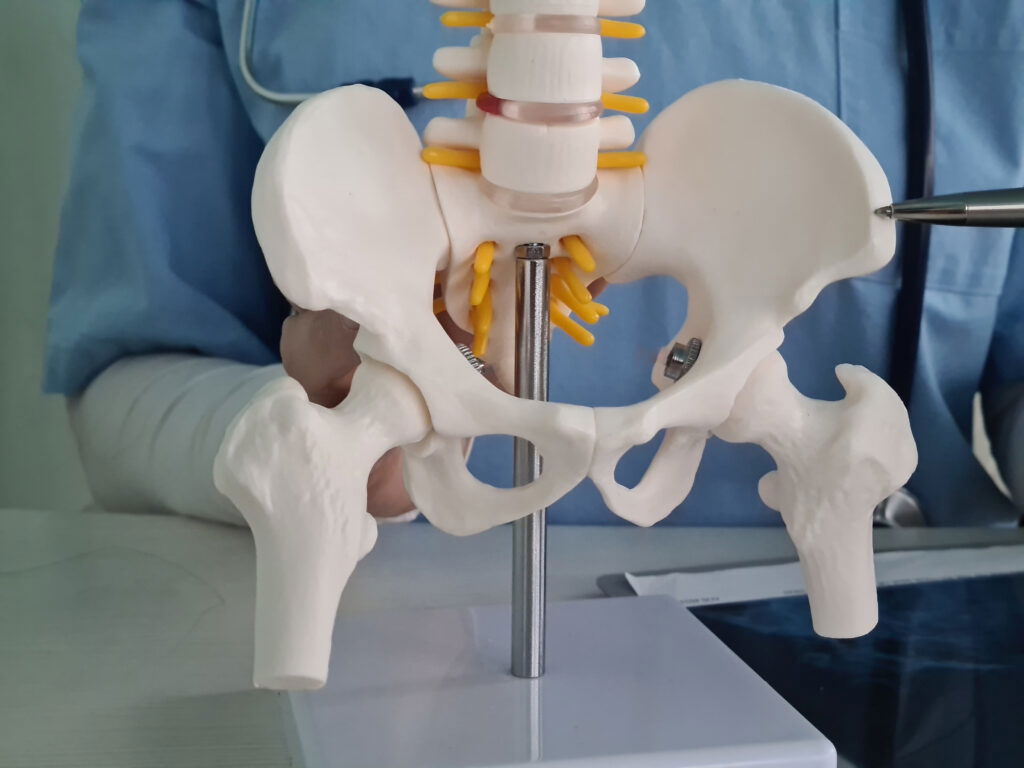
What Is Hip Replacement Surgery?
Hip replacement surgery (hip arthroplasty) is a medical procedure where a damaged or diseased hip joint is replaced with an artificial implant. This surgery is typically recommended for patients suffering from:
- Severe arthritis that causes stiffness and chronic hip pain.
- Hip fractures or injuries that cannot be treated with other methods.
- Joint deformities affect movement and daily activities.
- Constant hip pain unresponsive to medicines, physiotherapy, or lifestyle changes.
The goal of hip replacement surgery is to relieve pain, restore joint function, and help patients
regain an active, independent lifestyle.
Types of Hip Replacement Surgery
At Amicare, the best hospital for hip replacement surgery in Ghaziabad, offers multiple surgical
options depending on the patient’s condition:
1. Total Hip Replacement (THR)
- The entire hip joint (ball and socket) is replaced with artificial implants.
- Recommended for patients with severe arthritis or advanced joint damage.
- Ensures long-term pain relief and improved mobility.
2. Partial Hip Replacement
- Only the damaged ball portion of the hip joint is replaced.
- Commonly used in cases of hip fractures where the socket is still healthy.
- Less invasive than total hip replacement.
3. Bilateral Hip Replacement
- Both hips are replaced in a single surgical procedure.
- Beneficial for patients with advanced arthritis or deformities in both hips.
- Requires advanced care and post-surgery rehabilitation.
4. Robotic Hip Replacement Surgery
- Uses robotic-assisted technology with 3D imaging for enhanced precision.
- Offers better implant alignment, reduced pain, and quicker recovery.
- Minimizes risks of complications and ensures long-term durability.
5. Ceramic Hip Replacement
- Uses ceramic implants instead of metal or plastic.
- Provides excellent durability and reduces wear and tear.
- Ideal for younger patients requiring long-lasting results.
Indications for Hip Replacement Surgery
Not all hip pain requires surgery, but you may be a candidate if you experience:
- Chronic hip pain that limits mobility and daily activities.
- Stiffness in the hip joint affects walking or sitting.
- Pain that worsens at night and disrupts sleep.
- Dependence on painkillers for relief.
- Advanced osteoarthritis, rheumatoid arthritis, or post-traumatic arthritis.
- Hip fractures or deformities that cannot be managed with non-surgical methods.
Hip Replacement Surgery Cost in India & Ghaziabad
The hip replacement surgery cost in India varies based on the procedure type and patient condition. Amicare Hospital provides affordable hip replacement surgery in Ghaziabad with clear cost counselling.
Estimated Cost (Per Hip)
- Traditional Hip Replacement: ₹1.80 – ₹2.00 lakhs
- Robotic Hip Replacement: ₹2.00 – ₹2.50 lakhs
Actual cost may vary depending on clinical needs.
Factors Affecting Cost
- Type of hip replacement (total, partial, robotic)
- Implant material used
- Surgeon expertise
- Hospital stay and rehabilitation
Patients are guided transparently to choose the most suitable treatment option.
Recovery After Hip Replacement Surgery
Recovery depends on the type of surgery and the patient’s overall health. With advanced care at Amicare, patients usually recover faster, especially with robotic hip replacement surgery.
- First 2 Weeks: Pain management, walking with support, and gentle physiotherapy begin.
- 3–6 Weeks: Swelling reduces, mobility improves, and light daily activities can be resumed.
- 3–6 Months: Patients regain confidence in walking, climbing stairs, and performing exercises.
- 6–12 Months: Full recovery with long-term implant stability and improved quality of life.
Robotic-assisted hip replacement surgery ensures faster recovery and better outcomes
compared to traditional techniques.
Hip Replacement Surgery Success Rate
- The hip replacement surgery success rate in India is very high.
- More than 95% of hip replacement surgeries are successful.
- Implants usually last 15–20 years, depending on lifestyle and activity level.
- Robotic hip replacement surgery further improves implant alignment and reduces the risk of revision surgeries.
Patients at Amicare often report:
- Significant reduction in pain.
- Improved mobility and independence.
- Higher satisfaction and long-lasting results
Exercises After Hip Replacement Surgery
Rehabilitation plays a key role in recovery after hip replacement. At Amicare, physiotherapists guide patients through safe and effective hip replacement exercises such as:
- Leg raises and ankle pumps – to improve blood circulation and muscle strength.
- Gentle cycling – to enhance hip mobility.
- Stretching under supervision – for flexibility and joint health.
- Walking practice – gradually increasing distance with proper support.
High-impact activities like running or heavy lifting should be avoided until cleared by the doctor
Risks of Delaying Hip Replacement Surgery
Many patients delay surgery due to concerns about hip replacement surgery cost or fear of complications. However, postponing surgery can lead to:
- Worsening arthritis and stiffness in the hip joint.
- Permanent damage to bones and surrounding muscles.
- Increased difficulty in walking and balance.
- Need for more complex and costly surgery in the future.
Timely intervention at the best hospital for hip replacement surgery ensures better outcomes
and faster recovery.
Why Choose Amicare Hospital for Hip Replacement in Ghaziabad?
When it comes to finding the best hospital for hip replacement surgery, Amicare Hospital stands
out for its expertise, technology, and patient care. The hospital has successfully treated
thousands of patients suffering from arthritis, fractures, and joint damage, ensuring long-term
mobility and comfort.
- Recognized as the best hospital for hip replacement surgery in Ghaziabad, trusted by patients for excellence in orthopedic care.
- Highly experienced orthopedic surgeons specializing in both traditional hip replacement
and robotic hip replacement surgery for better outcomes. - Use of advanced robotic-assisted technology ensures precise implant placement, faster recovery, and reduced post-surgery complications.
- Affordable and transparent hip replacement surgery costs make advanced treatment accessible to everyone.
- Comprehensive care – from pre-surgery diagnosis and evaluation to personalized hip replacement rehabilitation programs for smoother recovery.
- Proven track record with a high hip replacement success rate, resulting in lasting relief
from pain and improved quality of life.

Testimonial

– Suman L., Ghaziabad

– Rajeev M., Delhi NCR
FAQ’s
What is the average hip replacement surgery cost in India?
The cost ranges between₹1.80 – 2 lakhs (per hip) for traditional surgery and ₹2– 2.50 lakhs (per hip) for robotic hip replacement surgery in India.
How long does recovery take after hip replacement surgery?
Recovery usually takes 3–6 months, but robotic surgery often helps patients resume daily activities within 6–8 weeks.
How long does recovery take after hip replacement surgery?
Recovery usually takes 3–6 months, but robotic surgery often helps patients resume daily activities within 6–8 weeks.
Is hip replacement surgery safe?
Yes, both robotic and traditional hip replacement are safe when performed by experienced orthopedic surgeons.
Who is the best candidate for hip replacement surgery?
Patients with severe arthritis, hip fractures, or chronic pain unresponsive to medicines or physiotherapy.
Final Thoughts
If you are struggling with severe hip pain that limits your mobility and affects your daily life, choosing hip replacement surgery in Ghaziabad at Amicare Hospital can restore movement, reduce pain, and improve your independence. The hospital’s focus on advanced technology and patient-centered care makes it a reliable choice for long-term joint health. With expert orthopedic surgeons, modern robotic techniques, and holistic recovery programs, Amicare continues to be trusted as the best hospital for hip replacement surgery in Ghaziabad, helping patients return to an active and pain-free lifestyle.
Related Searches:



 February 24, 2026