- Dr. Himanshu Gupta
- December 5, 2025
- orthopaedic
- 0 Comments
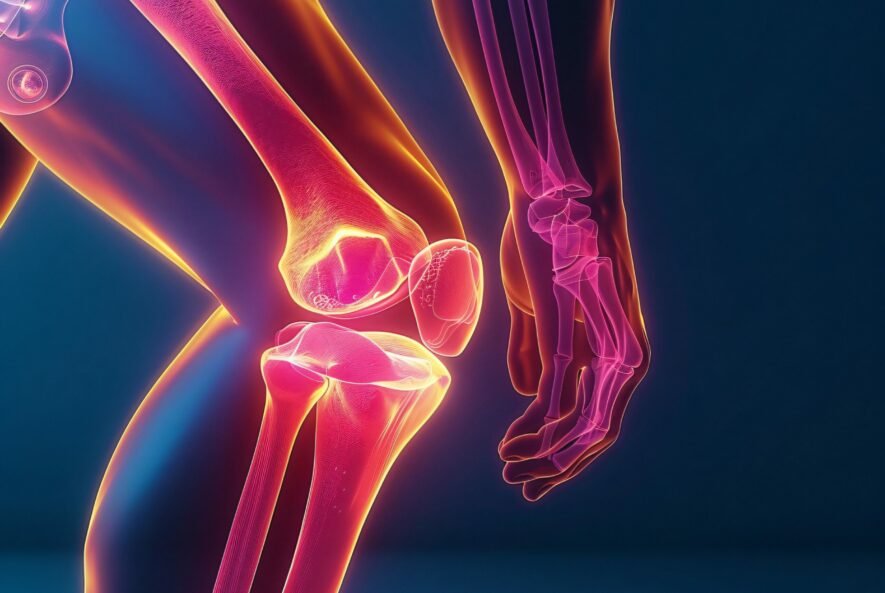
Before and after knee replacement surgery, patients often wonder what life will look like — how long recovery will take, when they can walk or run again, and how soon pain will go away. Understanding these steps helps in reducing the fear and speed up the recovery.
This guide covers everything you need to know before and after knee replacement surgery — from preparation and hospital care to physiotherapy, walking timeline, and long-term results.
With the right expectations and recovery plan, most patients regain confidence, return to normal mobility, and enjoy a pain-free lifestyle after knee replacement surgery.
What Is Knee Replacement Surgery?
Knee replacement surgery (also known as Total Knee Replacement or TKR) is a procedure where the damaged surfaces of the knee joint are replaced with an artificial implant to restore smooth, pain-free motion & mobility.
It is recommended when:
● Severe knee arthritis causes chronic pain and stiffness
● Daily movement like walking or climbing becomes difficult
● Medicines, injections & physiotherapy no longer provide relief
The goal of knee replacement surgery is to improve joint function, restore mobility, and help patients return to a comfortable, active lifestyle after knee replacement surgery
Before Knee Replacement Surgery — How to Prepare Properly
Good preparation affects how fast you recover after knee replacement surgery. Here’s what doctors recommend:
What to Expect Before Surgery
● Blood tests, X-ray, ECG, and medical clearance
● Knee strengthening exercises for better & faster recovery
● Discussion about implants and anesthesia
● Maintaining a healthy weight before knee surgery
Before Surgery Checklist
Do these to ensure smooth results:
● Practice bending and straightening exercises
● Learn how to use a walker or crutches
● Prepare your home — remove rugs, keep essentials nearby
● Stop smoking & alcohol
● Follow medication and fasting instructions before surgery
Preparing confidently helps reduce complications and speeds up healing after surgery.
What Happens on Surgery Day?
Understanding the timeline before and after knee replacement surgery helps remove fear and makes you feel more confident. Here’s what you can expect on the day of surgery:
Surgery-Day Walkthrough
Before the procedure begins, your medical team will review everything one more time to ensure a safe and smoother surgery.
You can typically expect:
● Arrival & Pre-Surgery Check — You will be admitted, vitals checked, and meet your orthopedic surgeon & anesthesia team
● Anesthesia — Usually spinal anesthesia with sedation, or general anesthesia in some cases
● Knee Replacement Surgery — The procedure itself takes around 60–90 minutes, where the damaged joint surfaces are replaced with an artificial implant
● Recovery Room Monitoring — Nurses monitor your pain, swelling, and vitals immediately after surgery
All these steps are designed to ensure your safety and optimal results after knee replacement surgery.
When Will You Walk After Knee Replacement Surgery?
Most patients are encouraged to stand and walk with support within 24–48 hours after knee replacement surgery. Early movement is crucial as it helps improve blood flow, reduce swelling, and activate muscles again.
Walking may feel painful in the first 2–3 days, but this phase improves quickly with medication and physiotherapy. Consistent walking after knee replacement surgery leads to faster recovery and better long-term knee function.
Your First 48 Hours After Surgery
The first two days are the most challenging before and after knee replacement surgery — but also the most important days for healing.
What to expect:
● Ice therapy & pain control to reduce swelling after knee replacement surgery
● Basic mobility training like moving from bed to chair safely
● Gentle physiotherapy exercises to begin restoring movement and prevent stiffness
These early steps lay the foundation for a strong recovery and make walking easier within a few days after knee replacement surgery.
After Knee Replacement Surgery — Recovery & Home Care
This is the most crucial phase of your healing journey. You must follow proper after-care for the best before and after knee replacement results.
Swelling & Pain Management
● RICE therapy – Rest, Ice, Compression & Elevation
● Take prescribed pain relief on time
● Avoid sitting with knees bent too long
Wound & Brace Care
● Keep dressing clean and dry
● No soaking the knee in water for 2–3 weeks
● Wear brace (if advised) while walking and sleeping
Physiotherapy After Knee Replacement Surgery
Physiotherapy is the key to success:
● Strength training
● Gait training (how to walk correctly)
● Range of motion exercises
● Balance training to prevent falls
“Physical Therapy is Key” for faster recovery and better knee bending.
Recovery Timeline — Before and After Knee Replacement Surgery Results
Healing time depends on age, fitness and dedication to physiotherapy. Here’s a realistic timeline:
| Recovery Phase | What to Expect |
|---|---|
| Week 1–2 | Pain and swelling highest; start walking with support |
| Week 3–6 | Better mobility; can climb stairs slowly |
| Month 2–3 | Stronger muscles; resume normal routine activities |
| Month 4–6 | Drive, travel, and walk longer distances |
| 6+ Months | Enjoy long-term results with a stable, pain-free knee |
By 6 months, most patients feel the true before and after transformation — easier walking, no limping, better sleep, and return to favorite hobbies.
Risks of Delaying Knee Replacement Surgery
Some patients keep postponing the surgery because of fear or temporary pain relief from medicines. But delaying knee replacement surgery can actually make the condition worse — and affect your results before and after knee replacement surgery.
What Happens If You Delay Knee Replacement?
● Worsening Knee Pain & Stiffness: Pain becomes constant, even during rest or sleep, making daily movement difficult.
● Increased Joint Damage: Delay causes cartilage loss and deformity, which can affect recovery process after knee replacement surgery.
● Weaker Muscles & Poor Mobility: Long-term inactivity weakens leg muscles, making physiotherapy harder after surgery.
● Reduced Surgery Success Rate: Late-stage damage may affect bending, stability, and overall before-and-after knee replacement results.
● Higher Risk of Falls: Instability and limping increase risk of fractures or further knee injury.
Early treatment makes recovery smoother and ensures better long-term function.
FAQs — Before and After Knee Replacement Surgery
After knee replacement surgery when can I walk?
You can walk with support within 1–2 days, and most people start walking independently by 3–4 weeks as recovery improves.
When does pain after knee replacement surgery improve?
Pain reduces steadily after 2–3 weeks, and continues improving over 3–6 months as strength and movement return.
What Is the “Worst Day After Knee Replacement”?
Usually Day 2–3, when anesthesia wears off — but pain gets better quickly with proper medication and exercises.
When can I run after knee replacement surgery?
Running is generally not recommended, but low-impact exercises like cycling and swimming are safe and helpful long-term.
How important is physiotherapy after knee replacement?
Physiotherapy is essential — without structured rehab plan, recovery slows, stiffness persists, and results after knee replacement surgery may not be achieved.
Final Words
Before and after knee replacement surgery, the key to great results is patient determination and following the right recovery plan. With proper preparation, home care, and physiotherapy, most patients successfully return to an active, pain-free lifestyle and regain long-lost confidence in their knee movement. The more consistent you are with exercises and habits, the faster your daily mobility improves & recover.
Stay focused, stay positive — recovery is a journey, and every step matters. With discipline and medical guidance, you can enjoy long-term results after knee replacement surgery and get back to doing the things you love without discomfort.

Dr. Himanshu Gupta