- Dr. Himanshu Gupta
- March 24, 2026
- orthopaedic
- 0 Comments
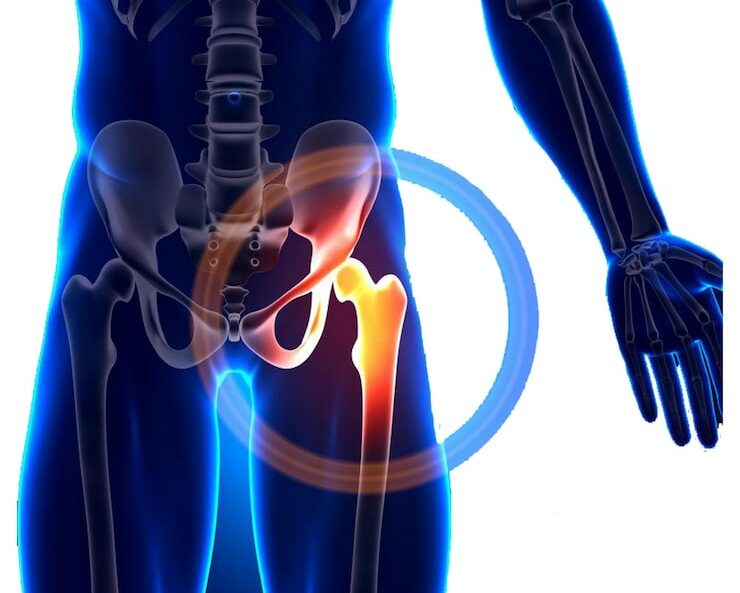
The ball and socket joint is one of the most important and flexible joints in the human body. It allows a wide range of movements, making daily activities like walking, running, lifting, and rotating possible.
This type of joint is mainly found in the shoulder and hip. Because of its high mobility, the ball and socket joint is also more prone to injuries and wear over time. Understanding its structure, function, and common problems can help you maintain joint health and avoid complications.
Table of Contents
ToggleWhat Is a Ball and Socket Joint?
A ball and socket joint is a highly mobile type of synovial joint where the rounded head of one bone (ball) fits into the cup-shaped cavity of another bone (socket). This structure allows movement in multiple directions such as rotation, bending, and swinging. It is mainly found in the shoulder and hip, providing flexibility, stability, and smooth motion for daily activities like walking, lifting, and arm movement.
Examples of Ball and Socket Joint:
● Shoulder joint
● Hip joint
This design allows movement in multiple directions, unlike hinge joints (like knees or elbows).
Structure of Ball and Socket Joint
The ball and socket joint has a unique design where a rounded bone fits into a cup-like socket, allowing smooth movement in all directions while also providing strength and stability to support body weight and motion.
Key Components:
● Ball (Head of bone): Rounded surface that fits into the socket
● Socket (Cavity): Cup-shaped structure that holds the ball
● Cartilage: Smooth tissue that reduces friction
● Ligaments: Connect bones and provide stability
● Synovial fluid: Lubricates the joint
● Muscles and tendons: Help in movement
In the hip, the ball and socket joint is stronger and more stable, while in the shoulder, it is more flexible but less stable.
Function of Ball and Socket Joint
The ball and socket joint allows a wide range of movements, including rotation, bending, and circular motion. It enables flexibility in joints like the shoulder and hip, helping in daily activities such as walking, lifting, and arm movement.
Main Functions:
● Rotation (circular movement)
● Flexion (bending)
● Extension (straightening)
● Abduction (movement away from the body)
● Adduction (movement toward the body)
Because of these movements, the ball and socket joint plays a vital role in almost every physical activity.
Importance of Ball and Socket Joint in Daily Life
Without a properly functioning ball and socket joint, everyday activities like walking, lifting, and moving your arms become difficult. Pain, stiffness, or injury in this joint can reduce mobility and affect overall quality of life.
Daily Activities Supported:
● Walking and running
● Sitting and standing
● Lifting objects
● Playing sports
Damage to the ball and socket joint can significantly reduce the quality of life.
Common Problems in Ball and Socket Joint
Due to its complex structure and constant use, the ball and socket joint is prone to various problems such as arthritis, dislocation, labral tears, and bursitis. These conditions can cause pain, stiffness, reduced movement, and difficulty in daily activities if not treated on time.
1 Arthritis
Arthritis is one of the most common issues affecting the ball and socket joint, especially in the hip.
Symptoms:
● Pain
● Stiffness
● Reduced movement
In severe cases, patients may require procedures, and factors like hip replacement surgery cost and hip replacement success rate become important considerations.
2 Dislocation
A dislocation occurs when the ball of the joint moves out of its socket, causing severe pain and loss of movement. In the shoulder, this condition is commonly known as shoulder dislocation.
Symptoms:
● Severe pain
● Visible deformity
● Inability to move
This condition requires immediate medical attention.
3 Labral Tear
The labrum is a ring of cartilage that supports the socket. A tear can affect the stability of the ball and socket joint.
Symptoms:
● Clicking sound
● Pain during movement
● Stiffness
4 Bursitis
Inflammation of fluid-filled sacs around the joint.
Symptoms:
● Pain on the outer side
● Swelling
● Difficulty lying on the side
5 Tendinitis
Inflammation of tendons due to overuse.
Severe Conditions Requiring Surgery
When conservative treatment fails, surgery may be required to restore the ball and socket joint.
1 Hip Replacement Surgery
In advanced cases of joint damage, hip replacement becomes necessary. Patients often consider:
● Cost of hip replacement surgery in India
● Hip replacement surgery cost in India
● hip ball replacement surgery cost
These factors vary depending on hospital, surgeon, and implant type.
2 Hip Replacement Success Rate
In advanced cases of joint damage, hip replacement surgery may be required to restore the function of the ball and socket joint. This procedure involves replacing the damaged joint with an artificial implant to reduce pain and improve mobility.
Before undergoing surgery, patients often consider important factors such as the overall treatment cost, type of implant used, hospital facilities, and surgeon experience. The cost of hip replacement surgery in India can vary depending on these factors, but it remains a cost-effective option compared to many countries.
3 Recovery After Surgery
Recovery is an important phase. Understanding hip replacement surgery recovery time helps patients prepare better.
Recovery Timeline:
● Initial recovery: 4–6 weeks
● Full recovery: 3–6 months
Proper physiotherapy ensures better outcomes.
Diagnosis of Ball and Socket Joint Problems
Doctors use various methods to diagnose issues in the ball and socket joint.
Diagnostic Methods:
● Physical examination
● X-rays
● MRI scans
● CT scans
Early diagnosis helps in better treatment planning.
Treatment Options
Treatment depends on the severity of the condition.
Non-Surgical Treatment
● Rest and activity modification
● Pain relief medications
● Physiotherapy
● Lifestyle changes
Exercises for Ball and Socket Joint
Regular exercise helps maintain joint health.
Examples:
● Stretching exercises
● Strengthening exercises
● Range of motion exercises
Surgical Treatment
In severe cases, surgery such as hip replacement is required.
Prevention Tips
Maintaining a healthy ball and socket joint is possible with simple steps
Tips:
● Maintain healthy weight
● Exercise regularly
● Avoid overuse
● Maintain proper posture
● Strengthen muscles around joints
When to See a Doctor
Consult a doctor if you experience:
● Persistent joint pain
● Limited movement
● Swelling or stiffness
● Difficulty in daily activities
Early treatment can prevent serious complications.
Frequently Asked Questions
What is a ball and socket joint?
It is a joint where a rounded bone fits into a cup-shaped socket, allowing
multi-directional movement.
Which joints are ball and socket joints?
The shoulder and hip joints are the main examples.
What problems affect the ball and socket joint?
Common issues include arthritis, dislocation, bursitis, and labral tears.
When is hip replacement needed?
It is recommended when severe damage causes pain and limits movement.
How long does recovery take after hip replacement?
Hip replacement surgery recovery time is usually 3 to 6 months, depending on the patient.
Conclusion
The ball and socket joint is essential for movement and stability in the human body. While it allows great flexibility, it is also prone to injuries and degenerative conditions.
Understanding its structure, function, and common problems can help you take better care of your joint health. Whether through exercise, lifestyle changes, or advanced treatments like hip replacement, proper care ensures long-term mobility and quality of life.
About Author

Dr. Himanshu Gupta